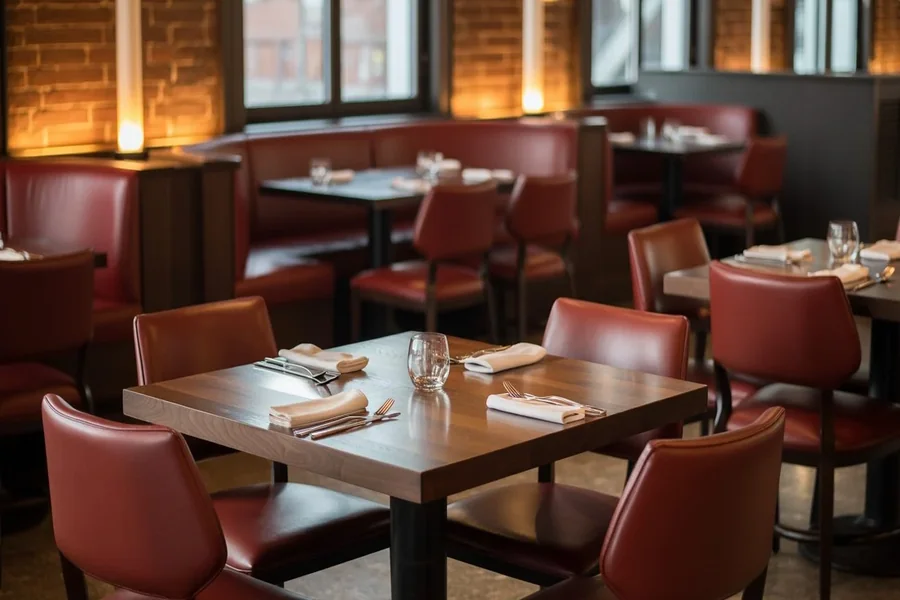
A parent asks the booking bot if a high chair may be placed next to a booth. The bot responds that the restaurant is family-friendly. The reply sounds welcoming, but it doesn’t answer the question. The family still does not know whether the requested arrangement is possible at the time they wish to visit.
For a bot to discuss booth seating for family restaurants usefully, it needs current information about the room and a clear limit on what it can promise. General hospitality language cannot replace a seating record. Build the service around specific questions, verified answers, and a reliable way to involve a person.
Begin With the Questions Staff Actually Hear
Gather common questions from hosts and reservation staff. Families could ask about a high chair, a stroller, room for a larger party, or whether everyone can sit together. The language can differ while the practical concern remains the same.
Questions about the restaurant should be separate from questions about a particular booking. The bot might know that a certain seating arrangement exists. Without a reliable connection to the current inventory, it may not know whether that arrangement is available during a busy service.
Write an approved answer for each common question. Include what the restaurant can confirm automatically, what the staff needs to check, and what the guest should do next. A concise answer with a constructive next step is more useful than a warm paragraph that leaves the uncertainty unresolved.
Describe the Booths as They Are
Create a seating record that corresponds to the installed room. Identify the locations of booths, regular configurations, access considerations, and any arrangements that staff has approved. Use consistent names so that the booking system, host plan, and internal notes refer to the same positions.
Do not ask a language model to infer capacity from a photograph. A booth may look large while its table base, approach, or surrounding route makes a proposed arrangement unsuitable. The physical review has to happen first.
NIST’s generative AI risk profile describes the risk of confidently presented erroneous content. For a booking bot, an invented seating detail can become a promise a family relies on. Restrict factual answers to the restaurant’s approved information and test what happens when that information is absent.
Designate someone to take charge of updates. Changes to high-chair arrangements, floor plan revisions, or a booth temporarily out of service should reach both the host stand and the bot’s information source. Keep a short change record, including the date and who approved the revision. During an outage, the bot should provide a limited response that sends availability questions to staff. The software should not silently fall back to an old floor plan just because it’s easier to retrieve.
Keep Requests Separate From Confirmations
A guest should know whether a preference has been noted or a seating arrangement has been booked. These states require distinct language. An enthusiastic repetition of a booth request does not make it a confirmed booth reservation.
If staff has to check the request, state this before the booking is confirmed. Tell the guest how they will be contacted and what the confirmed reservation includes at that point. Avoid promising that the team will take care of everything without explaining what still needs review.
The confirmation message should summarize the facts that matter:
- The booking details accepted by the system.
- The seating request recorded for staff.
- Any arrangement already confirmed.
- The question that still requires a response.
Have the host team check that this language matches its real process. A bot cannot promise a reply method or response window that nobody is assigned to manage.
Give Uncertainty a Human Route
When a question goes beyond the approved information, the bot still needs a helpful response. It can explain what it knows, identify what remains unconfirmed, and send the request to the right person. Handling uncertainty this way belongs in the operating process.
Ask only for the follow-up information that staff needs to answer the seating question. Asking a family to describe the required arrangement is often more useful than asking why they need it. Guests should not have to share sensitive personal information to request a suitable place to sit.
The UK’s Information Commissioner’s Office explains data minimization as keeping personal data adequate, relevant, and limited to what is needed. Its guidance concerns the UK framework, while applicable privacy duties depend on the business. The practical design question is simple: does each requested detail help the restaurant complete this booking task?
Let guests reach a person without restarting the entire conversation. Carry over the relevant request with appropriate controls, then tell the guest who will respond and through which channel.
Make the Interface Easy to Use
A correct answer is of little use if the booking interface makes the next step difficult. Test the bot on a phone, including the controls for selecting a party size, changing a time, and requesting staff help.
W3C’s minimum target-size criterion uses 24 by 24 CSS pixels for pointer targets, subject to spacing and other exceptions. This is a web accessibility criterion, not a physical screen measurement or a complete accessibility assessment. It gives the developer a concrete issue to check when small, crowded buttons make the booking flow awkward.
Also test keyboard operation, readable labels, and how the conversation behaves when text is enlarged. A visible phone number or another usable contact route can help guests whose needs are not met by the chat.
Keep the language plain. A parent arranging dinner should not have to understand the restaurant’s internal table codes to describe the seating they need.
Test the Answers Against Difficult Requests
Develop realistic test questions for staff to assess. Include a vague request, a request with several seating preferences, and a question about an arrangement the restaurant does not permit. Do not use invented test results to claim that the live service is reliable.
Check the whole result. Did the bot answer using the approved record? Did it avoid promising unavailable seating? Did the right staff member receive the request? Did the final confirmation distinguish an accepted booking from an unresolved seating preference?
Repeat the test when the underlying seating information or software is updated. A correct answer can become misleading after a setting changes. Retain the approved answers and test notes together so that the next person managing the system can see what was checked. Include a change of mind in the trial. Request a booth, switch to a different arrangement, and check whether the original request disappears from the host’s record. Even a conversation that appears correct on screen can leave contradictory instructions behind. Staff needs to see the current request without reconstructing the entire exchange.
Prepare the Host for the Arrival
The conversation should leave a usable record at the host stand. Staff need the confirmed arrangement and any unresolved issue in a place they already consult. A separate inbox that nobody checks during service will break the handoff.
Train hosts to check the practical arrangement before seating the family. The room may have changed since the request was reviewed. If a problem remains, staff should know what the guest was told and explain the available alternatives without blaming the software.
Review recurring questions as feedback about the restaurant’s public information. If families repeatedly ask the same thing, a clear seating note or booking-page explanation may remove the need for a conversation altogether.
Make the Promise Match the Place
A booking bot earns trust by giving an accurate picture of what the restaurant can provide. That requires a maintained seating record, careful confirmation language, and staff who can resolve the questions the software cannot answer. The furniture and the booking process need to describe the same dining room.
Begin with a small set of reliable answers and expand only when the supporting process works. The family should arrive knowing what its reservation includes, and the host should be ready to fulfill it. That is more useful than a bot that sounds confident about every possible request.