Corporate events provide businesses with an opportunity to bring employees, clients, partners, and industry contacts together in a purposeful setting. From conferences and product launches to team celebrations and networking sessions, successful events require careful coordination. Working with a corporate event planner in Singapore can help businesses manage the many details involved while creating an experience that reflects their objectives and brand.
Start With Clear Objectives
Every corporate event should have a defined purpose. An organisation may want to introduce a product, recognise employees, build client relationships or encourage collaboration between teams.
Having clear objectives helps shape decisions throughout the planning process. The type of venue, programme, entertainment and activities can all be selected based on what the company wants to achieve.
A clear objective also makes it easier to evaluate the event afterwards. Instead of simply asking whether guests enjoyed themselves, organisers can consider whether the event achieved its intended business outcomes.
Develop a Strong Event Concept
A corporate event does not need to feel formal or predictable. A well-developed concept can give the occasion a distinctive identity while remaining aligned with the company’s brand.
The concept can influence the décor, stage design, activities, entertainment, invitations and even the way food and refreshments are presented.
For example, a company celebrating a major milestone might build the event around its history and achievements. A product launch could use a more contemporary concept designed to create anticipation around the new offering.
Select a Suitable Venue
The venue can influence both the atmosphere and practical flow of a corporate event. Guest numbers, event format and planned activities should all be considered when selecting a location.
A networking event may benefit from an open layout that allows people to move around easily, while a presentation may require suitable seating and audiovisual facilities.
Accessibility should also be considered. A convenient location can make it easier for employees, clients and business partners to attend.
Plan the Guest Journey
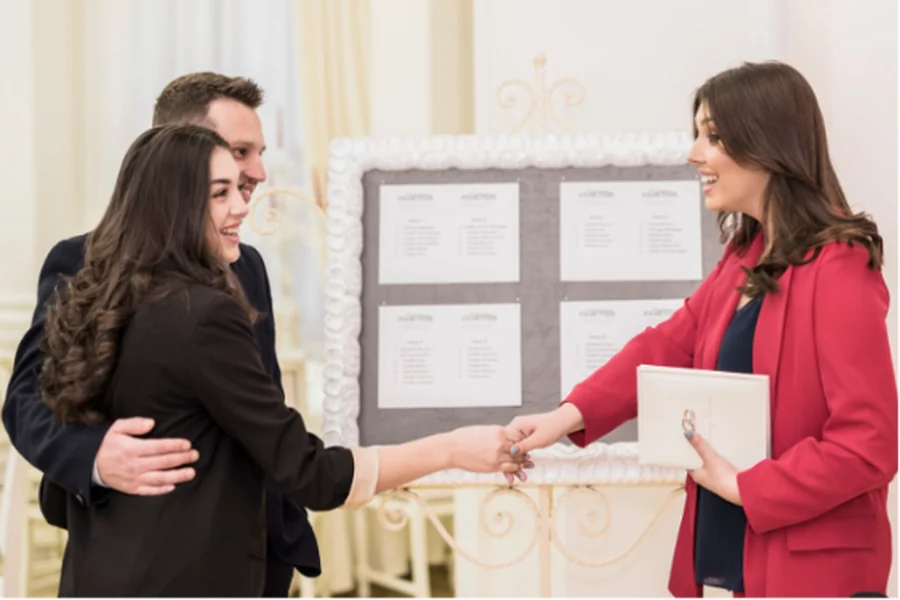
A successful corporate event should be considered from the guest’s perspective. The experience begins before attendees arrive and continues until they leave.
Registration should be straightforward, signage should be clear, and staff should know how to assist guests when questions arise.
The programme should also have a comfortable pace. Long periods without activity can cause attention to drop, while an overly packed schedule may leave guests feeling rushed.
Creating a logical flow between presentations, meals, networking sessions and entertainment can make the entire event feel more organised.
Include Meaningful Activities
Activities can encourage guests to participate rather than simply observe. The right choice depends on the purpose and audience of the event.
Team-building activities can encourage collaboration among employees, while interactive experiences can provide opportunities for clients and business partners to connect in a less formal environment.
Entertainment can also add energy to the occasion. Live performances, games, themed experiences or interactive sessions may all work depending on the event’s concept.
Coordinate Vendors and Suppliers
Corporate events often involve several external suppliers. Catering teams, decorators, audiovisual technicians, entertainers and venue staff may all need to work according to the same schedule.
A detailed event timeline can help coordinate these different responsibilities. Setup times, equipment deliveries, rehearsals and programme transitions should be accounted for before the event begins.
Good coordination can reduce confusion and help suppliers understand exactly when and where they need to be available.
Manage the Corporate Budget
Budget management is another important part of event planning. Expenses can quickly increase when additional entertainment, décor or services are added during the preparation process.
Breaking the budget into categories makes it easier to monitor spending. Common categories include venue costs, catering, equipment, décor, entertainment, staffing and promotional materials.
Companies should identify which aspects of the event have the greatest impact on their objectives. Spending strategically can help create a polished experience without unnecessary expenses.
Prepare for Unexpected Situations
Even well-organised events can encounter unexpected changes. Equipment may require troubleshooting, suppliers may experience delays, or the programme may need to be adjusted.
Having contingency plans can make these situations easier to handle. Event organisers can identify potential problem areas beforehand and prepare alternative arrangements.
Allowing some flexibility within the schedule is also useful. A programme that has no spare time between activities can quickly fall behind if an unexpected delay occurs.
Why Professional Planning Can Be Valuable
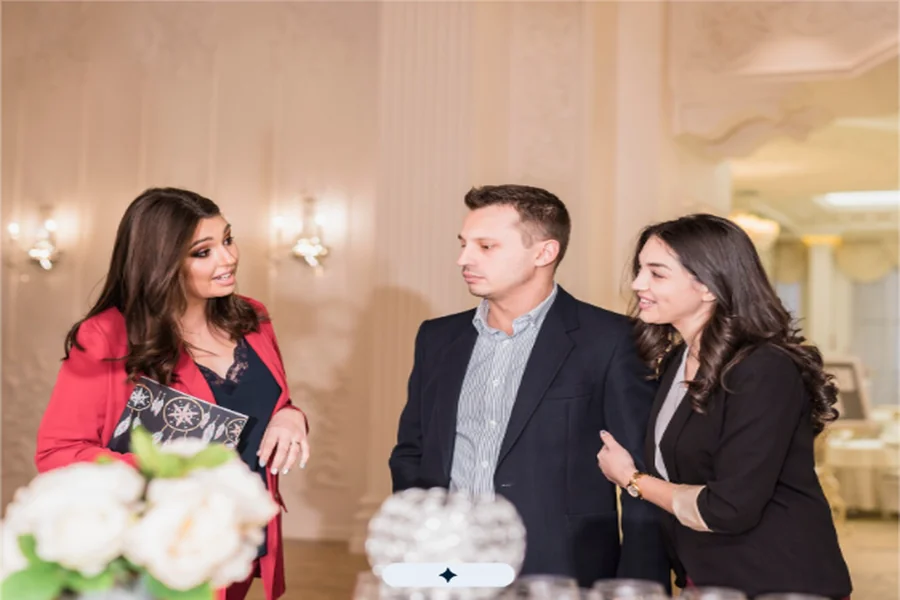
Corporate event planning involves many moving parts, and managing them alongside normal business responsibilities can be challenging. Professional planners can coordinate different aspects of an event while keeping the company’s goals at the centre of the process.
Their involvement can help businesses organise suppliers, timelines, activities and logistics in a more structured way. It can also allow company representatives to focus on their guests and business relationships instead of managing operational details throughout the event.
This can be particularly helpful for larger events where several teams and suppliers need to work together.
Create an Experience That Reflects the Brand
A corporate event can also contribute to how guests perceive a company. Details such as signage, décor, presentations, entertainment and staff interactions can all communicate something about the organisation.
Consistency is useful here. When different elements of the event support the same visual identity and message, the experience can feel more polished and intentional.
The goal does not have to be an elaborate display. Even simple details can reinforce a company’s identity when they are thoughtfully incorporated into the event.
Gather Feedback Afterwards
The planning process does not end when the final guest leaves. Gathering feedback can help businesses understand what worked well and what could be improved.
Attendees can provide useful perspectives on the venue, programme, activities, food, entertainment and overall experience. Internal teams can also review the planning process and identify areas where coordination could be improved for future events.
Keeping these observations can make subsequent corporate events easier to organise.
Conclusion
A successful corporate event combines business objectives with a well-planned guest experience. From choosing the right venue and creating an engaging programme to coordinating suppliers and preparing contingency plans, each element contributes to the overall result.
For companies organising events in Singapore, professional planning support can make the process more structured and manageable. With careful preparation and a clear focus on the audience, a corporate event can become an effective opportunity to build relationships, communicate company values and create memorable experiences.