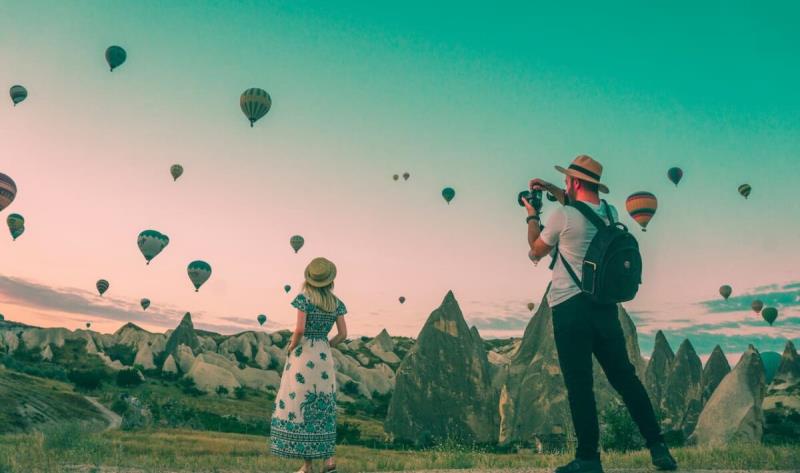
Travel can be one of the best ways to take a break from everyday life. It gives you a chance to see new places and meet different people. It can also help you understand cultures that may be very different from your own.
A good trip does not always require a huge budget or a perfect plan. Sometimes the most memorable journeys come from simple experiences. A walk through an old neighborhood can be just as meaningful as visiting a famous attraction. A conversation with a local person can become a memory you keep for years.
Still travel becomes much easier when you prepare properly. Knowing where to go and what to pack can save you from unnecessary stress. A little planning can also help you avoid common problems such as spending too much money or missing important documents.
Whether you are planning your first trip or you already travel often this guide can help. These practical tips will make your journey more comfortable and enjoyable.
Why Travel Is Good for You
Travel can offer much more than entertainment. It can change the way you look at the world. When you visit another city or country you are often exposed to different lifestyles and traditions. This experience can make you more open-minded.
Travel can also give your mind a much-needed break. Daily routines can become tiring after a while. A change of surroundings may help you relax and return home with fresh energy.
Another benefit is personal growth. Travel often places you in situations that are outside your comfort zone. You may need to communicate with someone who speaks another language. You may need to find your way around an unfamiliar city. These small challenges can make you more confident.
Travel can also strengthen relationships. A trip with family or friends creates shared memories. Even when something goes wrong those moments can become funny stories later.
Solo travel offers a different experience. You have more freedom to choose where to go and what to do. It can also give you valuable time to think about your goals and interests.
There is no single right way to travel. Some people enjoy busy city trips while others prefer quiet beaches or mountain villages. The best journey is one that matches your interests and comfort level.
How to Plan a Trip Without Stress
Good planning does not mean creating a schedule for every minute. In fact an overly strict plan can make a trip stressful. The goal is to create enough structure while leaving room for unexpected experiences.
Start by choosing your destination. Think about the type of experience you want. You may want nature and adventure. You may prefer history and culture. You may simply want a peaceful place where you can rest.
Next decide how much time you have. Your available time should influence your destination. A short trip may be better for a nearby city. A longer holiday gives you more freedom to travel farther.
Create a basic budget before booking anything. Include transportation accommodation food activities and emergency expenses. Try to keep some extra money aside for unexpected costs.
Research the best time to visit your destination. Weather can have a major effect on your experience. Some places are beautiful during the dry season but difficult to visit during heavy rain.
Check important travel requirements as well. Depending on your destination you may need a passport visa travel insurance or vaccination records. Make sure your documents are valid before you leave.
It is also useful to make a simple list of places you want to visit. Do not add too many locations. Trying to see everything can leave you exhausted.
A relaxed plan often creates a better experience than a packed schedule.
How to Save Money While Traveling
Travel does not have to be expensive. With some careful choices you can enjoy a great trip without spending more than necessary.
Start by comparing transportation options. Flights may be faster but buses or trains can sometimes cost less. If the destination is nearby you may even find that traveling by road is more convenient.
Accommodation is another major expense. Hotels are not your only option. Depending on the destination you may find guesthouses hostels apartments or family-run accommodations.
Booking early can sometimes help you find better prices. However last-minute deals may also appear during less busy travel periods. Compare different options instead of choosing the first one you see.
Food is another area where travelers can save money. Eating at local restaurants can be cheaper than eating at tourist-focused establishments. Local food can also give you a better connection to the culture.
You do not need to pay for every activity. Many destinations have free attractions such as parks markets public squares walking areas and historic neighborhoods.
Use public transportation when it is safe and practical. Taxis and private rides can quickly increase your daily expenses.
Set a daily spending limit. This simple habit can help you stay within your budget. Keep track of your spending throughout the trip rather than waiting until you return home.
Most importantly do not spend money just because you are on holiday. A meaningful experience does not always have a high price.
What to Pack for a Comfortable Trip
Packing can be surprisingly difficult. Many travelers either bring too much or forget important items.
Start with clothing that matches the weather. Check the forecast before leaving and choose versatile pieces that can be worn in different combinations.
Comfortable shoes are especially important. You may walk much more than you expect. A stylish pair of shoes is not useful if it causes pain after a few hours.
Keep important documents in a safe place. Your passport identification documents travel tickets and booking information should be easy to access.
A small first-aid kit can also be useful. Include basic items that you may need during the journey. If you take regular medication make sure you have enough for the entire trip.
Do not forget chargers and necessary electronic accessories. A portable power bank can be helpful during long travel days.
Toiletries should be kept simple. You usually do not need full-size bottles for a short trip. Smaller containers can save space.
Pack according to what you will actually use. Avoid bringing items simply because you think you might need them.
A lighter bag makes travel easier. You can move between hotels more comfortably and spend less time worrying about your luggage.
It is also wise to leave a little space in your bag. You may want to bring home souvenirs or local products.
How to Stay Safe During Travel
Safety should always be part of your travel plan. This does not mean you need to worry about everything. Basic awareness can prevent many common problems.
Research your destination before you arrive. Learn about areas that visitors should avoid. Check local laws and customs. Something that seems normal at home may be restricted somewhere else.
Keep copies of important documents. Store digital copies securely in case the originals are lost.
Be careful with your valuables. Avoid displaying expensive watches jewelry or large amounts of cash. Keep your phone and wallet secure in crowded areas.
Pay attention when using public transportation. Busy stations and tourist attractions can sometimes attract pickpockets.
Use trusted transportation services whenever possible. If you are unsure about a service ask your accommodation provider for advice.
It is also important to stay connected. Let someone you trust know your general travel plans. If you are traveling alone regular check-ins can provide extra peace of mind.
Respect local rules and customs. Dress appropriately when required. Follow photography restrictions and behave respectfully at religious or cultural sites.
Listen to your instincts. If a situation feels unsafe you do not need to stay there just to avoid being rude.
Travel safety is mostly about thewishwisdom.com. Simple precautions can help you enjoy your trip with greater confidence.
How to Enjoy Local Culture
One of the greatest parts of travel is experiencing a place beyond its famous attractions.
Try local food. Visit neighborhood markets. Walk through areas where local people spend their daily lives. These experiences can tell you more about a destination than a long list of tourist attractions.
Learn a few basic words in the local language. Even simple greetings can show respect. People often appreciate the effort even when your pronunciation is not perfect.
Be respectful of local customs. Learn about appropriate clothing behavior and photography before visiting cultural or religious places.
Talk to local people when the situation feels comfortable. A short conversation can lead to useful recommendations. Locals may know small restaurants quiet viewpoints or interesting places that are not listed in common travel guides.
Try not to compare everything with home. Different places have different ways of doing things. Instead of asking why something is not done your way try to understand why it is done differently.
Support local businesses when possible. Eating at local restaurants and buying from local makers can help the community.
Take time to slow down. You do not need to visit ten attractions in one day. Sit in a local café and watch the city around you. Walk without rushing. Enjoy the atmosphere.
Travel becomes more meaningful when you allow yourself to experience a destination rather than simply photograph it.
Common Travel Mistakes to Avoid
Even experienced travelers make mistakes. The good news is that many problems are easy to prevent.
One common mistake is overplanning. A schedule filled with activities may leave no time for rest. Build some flexible time into your trip.
Another mistake is ignoring the budget. Small purchases can add up quickly. Keep an eye on daily spending.
Packing too much is also common. Heavy luggage can make moving around difficult. Pack only what you are likely to use.
Some travelers forget to check the weather. This can lead to uncomfortable clothing choices and cancelled activities. Check the forecast before departure and again during the trip.
Another mistake is relying completely on your phone. Phones can lose battery or internet access. Keep important information available offline.
Do not assume every destination accepts the same payment methods. Carry a reasonable backup payment option. Read More: 13th Anniversary Wishes.
Avoid sharing too much personal information with strangers. Friendly conversations are great but basic caution is still important.
Some travelers also try to fit too many destinations into a short holiday. Spending most of your time traveling between places can reduce the time you actually enjoy them.
Finally do not let small problems ruin your entire trip. Delayed transportation bad weather or a wrong turn can happen. Try to adapt and keep moving.
The best travelers are not those who avoid every problem. They are the ones who know how to handle problems without losing the joy of the journey.
Frequently Asked Questions About Travel
What is the best way to start planning a trip?
Start with your destination budget and available time. Then research transportation accommodation weather and important travel requirements. Keep your first plan simple and flexible.
How much money should I save for travel?
There is no fixed amount because costs depend on the destination and length of the trip. Estimate your transportation accommodation food activities and emergency expenses. Add extra money for unexpected costs.
Is it better to travel alone or with others?
Both options have benefits. Solo travel gives you more freedom while traveling with others can make the experience more social. Choose the option that fits your personality and goals.
How can I make travel less stressful?
Avoid creating an overly packed schedule. Prepare your documents early and pack only what you need. Give yourself enough time between transportation connections.
What should I always carry while traveling?
Keep your identification documents payment methods phone charger and essential medication with you. Important items should stay in your carry-on rather than checked luggage when possible.
How can I stay safe when traveling alone?
Research the destination and stay aware of your surroundings. Keep important documents secure and avoid risky areas. Share your general plans with someone you trust.
How can I experience local culture?
Try local food and visit neighborhood markets. Learn a few local phrases and respect cultural customs. Talking with local people can also provide a deeper understanding of the destination.
Is travel insurance worth it?
Travel insurance can provide protection against certain unexpected problems such as trip interruptions medical emergencies or lost baggage. The right coverage depends on your destination and personal circumstances.
How can I save money on a trip?
Compare transportation and accommodation options. Travel during less busy periods when possible. Use public transportation and eat at local restaurants. Look for free activities as well.
Final Thought
Travel is not only about reaching a new destination. It is about the experiences you collect along the way.
A successful trip does not need to be perfect. You may miss a bus or take the wrong road. The weather may change your plans. A restaurant may not be as good as expected. These moments are part of the journey.
What matters most is how you experience the place. Take time to notice the small details. Talk to people. Try something unfamiliar. Give yourself permission to slow down.
Plan enough to stay comfortable but leave space for surprises. Keep your budget realistic and your luggage light. Stay aware of your surroundings while remaining open to new experiences.
Most importantly choose travel experiences that mean something to you. A memorable journey is not measured by how many places you visit. It is measured by how much you enjoyed the time you had.
With thoughtful planning and a flexible attitude travel can become more than a holiday. It can become a source of confidence inspiration and memories that stay with you long after you return home.