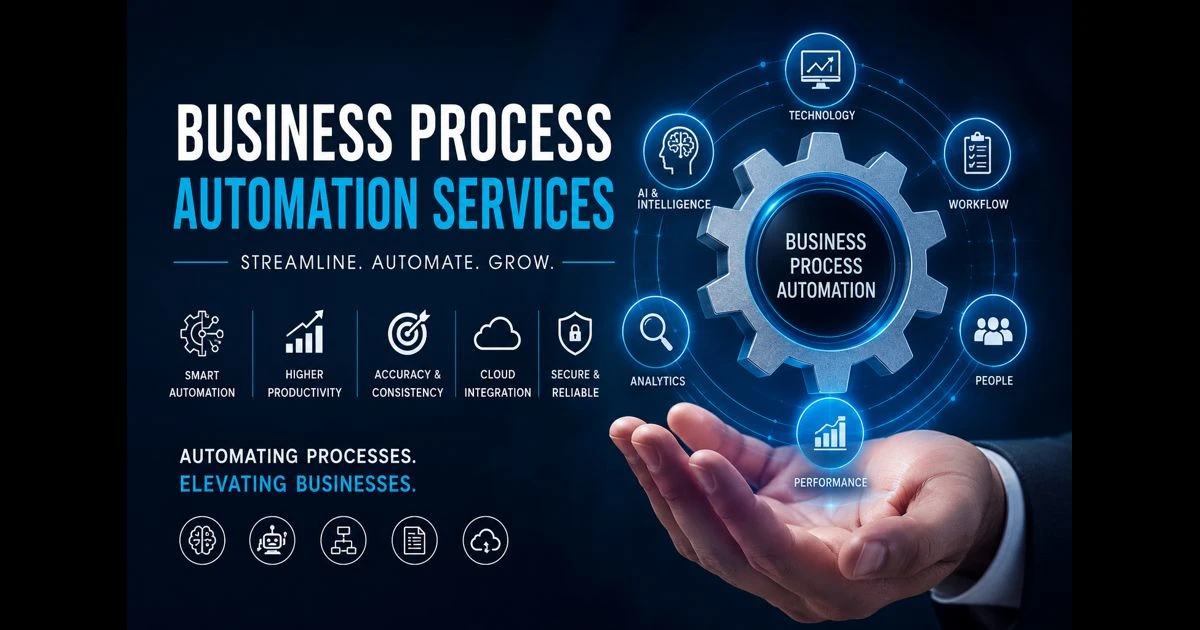
Business has changed dramatically over the past two decades. Organizations are no longer defined solely by their physical offices, traditional operations, or local markets. Today, technology has become one of the most important drivers of business strategy, enabling organizations to innovate faster, reach global audiences, improve customer experiences, and make better decisions through digital capabilities.
This shift has given rise to what is commonly known as digital business.
Digital business is more than using computers, websites, or online platforms. It represents a broader approach to integrating technology into every part of an organization, from daily operations and customer engagement to decision-making, collaboration, and long-term growth.
Whether operating as a startup, a growing business, or a large enterprise, organizations that successfully embrace digital transformation are often better equipped to respond to changing markets, evolving customer expectations, and continuous technological innovation.
Understanding Digital Business
Digital business refers to the use of technology to improve how organizations create value, deliver products or services, communicate with customers, and achieve long-term objectives.
Rather than treating technology as a supporting function, digital businesses integrate it into their overall strategy, allowing every department to work more efficiently and make informed decisions based on reliable information.
A modern digital business often combines:
- Cloud-based technologies
- Business automation
- Data-driven decision-making
- Artificial Intelligence
- Digital communication platforms
- Customer relationship management
- Secure digital infrastructure
- Continuous innovation
These capabilities help organizations become more agile while improving both operational efficiency and customer satisfaction.
The Evolution of Modern Organizations
Business has always adapted to technological progress.
Earlier generations focused on paper-based processes, manual record keeping, and face-to-face communication. As computers, the internet, and mobile technologies became widely available, organizations gradually transitioned toward digital operations.
Today, businesses increasingly rely on integrated digital ecosystems where employees, customers, suppliers, and partners remain connected through technology.
This evolution has changed how organizations:
- Communicate internally
- Serve customers
- Manage projects
- Analyze business performance
- Develop products and services
- Expand into new markets
Digital transformation is therefore not simply about replacing traditional systems. It is about creating more efficient, flexible, and intelligent ways of operating.
Why Digital Business Matters
Technology has become one of the strongest competitive advantages available to modern organizations.
Businesses that successfully adopt digital strategies often improve their ability to respond to market changes while delivering greater value to customers.
Some of the most significant advantages include:
- Faster business operations
- Improved customer experiences
- Better collaboration across teams
- Greater operational flexibility
- More informed strategic planning
- Scalable digital infrastructure
- Improved productivity
- Enhanced business resilience
These improvements help organizations remain competitive in rapidly changing industries while creating stronger foundations for sustainable growth.
Digital Transformation Is a Business Strategy
One of the most common misconceptions is that digital transformation is primarily an IT project.
In reality, successful digital transformation begins with business strategy rather than technology.
Organizations first identify opportunities to improve customer experiences, optimize workflows, strengthen decision-making, and increase efficiency. Technology then becomes the tool that supports those strategic objectives.
Successful digital transformation usually requires collaboration between multiple areas of an organization, including:
- Leadership
- Operations
- Marketing
- Finance
- Customer Service
- Human Resources
- Information Technology
When every department works toward shared objectives, digital transformation becomes part of the organization’s culture instead of remaining an isolated technical initiative.
Technology as a Long-Term Business Investment
Modern organizations no longer invest in technology simply to automate repetitive tasks.
Technology has become a long-term investment that supports innovation, adaptability, and continuous improvement.
Businesses increasingly invest in technologies that help them:
- Improve decision-making through reliable data
- Strengthen customer relationships
- Increase operational efficiency
- Support remote and hybrid work
- Develop innovative products and services
- Respond quickly to changing market demands
Rather than delivering value only in the short term, these investments create stronger foundations for sustainable business growth.
Organizations that continuously improve their digital capabilities are generally better prepared to navigate uncertainty while identifying new opportunities in an increasingly connected global economy.
Customer Experience Has Become a Competitive Advantage
Modern organizations no longer compete solely on the quality of their products or services. They also compete on the quality of the experiences they provide throughout the customer journey.
Technology enables businesses to better understand customer expectations, respond more quickly to inquiries, personalize interactions, and build stronger long-term relationships.
Organizations increasingly use digital technologies to improve:
- Customer communication
- Online services
- Self-service platforms
- Personalized recommendations
- Support response times
- Overall customer satisfaction
Delivering a consistent and reliable customer experience not only strengthens trust but also encourages long-term loyalty and sustainable business growth.
Data Is Driving Better Business Decisions
Information has become one of the most valuable assets available to modern organizations.
Every interaction with customers, employees, suppliers, and digital platforms generates information that can help businesses identify opportunities, improve performance, and reduce uncertainty.
Rather than relying solely on assumptions, organizations increasingly make decisions based on meaningful insights gathered from reliable data.
Data supports a wide range of business activities, including:
- Performance measurement
- Customer behavior analysis
- Market trend identification
- Business forecasting
- Operational improvements
- Strategic planning
However, collecting information alone does not create value. Organizations must also ensure that data remains accurate, secure, relevant, and responsibly managed.
Cloud Technology Is Changing How Organizations Operate
Cloud computing has transformed the way organizations manage technology and collaborate across teams.
Instead of depending entirely on local infrastructure, businesses can now access scalable digital resources through secure cloud platforms that support flexibility, collaboration, and business continuity.
Cloud technologies help organizations:
- Access information from multiple locations
- Support remote and hybrid work
- Improve collaboration between teams
- Scale digital services efficiently
- Reduce infrastructure complexity
- Strengthen operational resilience
For many organizations, cloud technology has become an essential foundation for long-term digital transformation rather than simply another technology investment.
Business Automation Improves Efficiency
Every organization performs routine tasks that consume valuable time and resources.
Automation helps reduce repetitive work while improving consistency and operational efficiency.
Examples include:
- Invoice processing
- Appointment scheduling
- Workflow management
- Customer communication
- Inventory tracking
- Report generation
- Document management
By automating repetitive processes, employees can dedicate more attention to activities that require creativity, strategic thinking, collaboration, and problem-solving.
Automation therefore supports people rather than replacing the value they bring to an organization.
Digital Leadership Matters More Than Technology Alone
Technology can provide powerful capabilities, but successful digital transformation ultimately depends on leadership.
Organizations that adapt successfully often share several characteristics:
- A clear long-term vision
- Willingness to embrace innovation
- Commitment to continuous learning
- Strong collaboration across departments
- Investment in employee development
- Responsiveness to changing customer needs
Leaders play a critical role in encouraging innovation while ensuring that technology investments align with broader business objectives.
Without strategic leadership, even advanced technologies may fail to deliver meaningful long-term value.
Innovation Through Collaboration
Innovation rarely develops within a single department.
Modern organizations increasingly encourage collaboration between business teams, technology specialists, customer support, operations, marketing, and leadership.
This collaborative approach allows organizations to:
- Solve problems more effectively
- Share knowledge across departments
- Improve operational efficiency
- Accelerate product and service development
- Respond more quickly to market changes
Technology provides the tools that make collaboration easier, but innovation is ultimately driven by people working together toward common objectives.
Balancing Innovation with Security
As organizations expand their digital capabilities, protecting information becomes increasingly important.
Customers, employees, and business partners expect organizations to manage digital information responsibly while maintaining strong security practices.
A balanced digital strategy includes:
- Cybersecurity awareness
- Data privacy protection
- Secure digital infrastructure
- Risk management
- Regular system maintenance
- Responsible technology governance
Organizations that integrate security into their digital strategy are generally better prepared to protect sensitive information while maintaining long-term trust.
Guidance published by the National Institute of Standards and Technology emphasizes the importance of cybersecurity, risk management, and secure digital practices as organizations continue expanding their digital operations.
Rather than viewing security as a separate responsibility, successful digital businesses treat it as an essential component of sustainable growth and responsible innovation.
Preparing Organizations for the Future
The future of business will continue to be shaped by technology, but lasting success will depend on how effectively organizations adapt to change.
Digital transformation is no longer a destination with a fixed endpoint. It is an ongoing process of evaluating new opportunities, improving existing systems, and responding to changing customer expectations and market conditions.
Organizations preparing for long-term success typically focus on:
- Continuous innovation
- Employee development and digital skills
- Responsible technology adoption
- Customer-focused decision-making
- Business agility
- Long-term strategic planning
Businesses that remain open to learning and continuous improvement are generally better equipped to navigate future challenges while identifying new opportunities for growth.
Sustainable Growth Through Digital Innovation
Sustainable growth is built on more than short-term financial results.
Modern organizations increasingly recognize that long-term success depends on balancing innovation with operational efficiency, customer satisfaction, responsible leadership, and continuous improvement.
Technology supports sustainable growth by helping organizations:
- Improve operational efficiency
- Reduce unnecessary complexity
- Strengthen customer relationships
- Enhance collaboration
- Support informed decision-making
- Adapt more quickly to market changes
Rather than replacing traditional business principles, digital technologies strengthen them by providing better tools for planning, communication, and execution.
The Human Side of Digital Business
Although technology plays a central role in digital business, people remain the foundation of every successful organization.
Innovation depends on individuals who can think critically, solve problems, collaborate effectively, and make responsible decisions.
Technology can process information, automate workflows, and improve efficiency, but qualities such as leadership, creativity, communication, and ethical judgment continue to rely on human expertise.
Successful organizations therefore invest in both:
- Advanced digital technologies
- Continuous employee development
This balanced approach allows technology and human capability to complement one another while creating stronger and more resilient organizations.
The Next Stage of Digital Business
The digital business landscape will continue evolving as new technologies become more widely adopted.
Over the coming years, organizations are expected to increase their investment in areas such as:
- Artificial Intelligence
- Business Automation
- Cloud Computing
- Data Analytics
- Cybersecurity
- Intelligent Customer Experiences
- Connected Digital Ecosystems
- Sustainable Technology Solutions
Rather than adopting every new innovation, successful organizations will focus on technologies that solve real business challenges and create measurable value.
Technology should always support clear business objectives rather than becoming an objective in itself.
Building Trust in the Digital Economy
Trust has become one of the most valuable assets in modern business.
Customers, employees, and business partners expect organizations to operate transparently, protect information responsibly, and deliver consistent digital experiences.
Building trust requires continuous attention to:
- Data privacy
- Cybersecurity
- Business transparency
- Reliable digital services
- Ethical technology practices
- Consistent customer experiences
Organizations that maintain these principles are more likely to build lasting relationships while strengthening their reputation within increasingly competitive digital markets.
Conclusion
Digital business represents far more than adopting modern technologies. It reflects a long-term commitment to innovation, operational excellence, customer value, and continuous improvement.
Organizations that successfully combine technology with strong leadership, skilled employees, responsible governance, and customer-focused strategies are better positioned to achieve sustainable growth in an increasingly digital economy.
As technology continues advancing, businesses that remain adaptable, embrace continuous learning, and invest in meaningful innovation will be better prepared to respond to future opportunities and changing market demands.
At TheSindi Com, we believe digital business is ultimately about using technology to create lasting value for people, organizations, and society. By understanding how innovation, leadership, and digital transformation work together, businesses can build stronger foundations for long-term success in a rapidly evolving world.
Frequently Asked Questions
What is digital business?
Digital business is the integration of technology into business strategy, operations, customer engagement, and decision-making to improve efficiency, innovation, and long-term organizational performance.
How is digital business different from traditional business?
Traditional businesses often rely heavily on manual processes and physical operations, while digital businesses use technology to optimize workflows, improve collaboration, analyze data, and deliver better customer experiences.
Why is digital transformation important for organizations?
Digital transformation helps organizations become more adaptable, improve operational efficiency, strengthen customer relationships, support informed decision-making, and remain competitive in rapidly changing markets.
What technologies support digital business?
Modern digital businesses commonly use:
- Artificial Intelligence (AI)
- Cloud Computing
- Business Automation
- Data Analytics
- Customer Relationship Management (CRM) Systems
- Cybersecurity Solutions
- Digital Collaboration Platforms
Can small businesses benefit from digital business strategies?
Yes. Organizations of every size can improve productivity, customer engagement, operational efficiency, and long-term growth by adopting digital technologies that align with their business objectives and available resources.
What is the biggest factor in successful digital business?
Technology is important, but long-term success depends on combining digital innovation with strong leadership, continuous learning, strategic planning, responsible governance, and a commitment to creating value for customers.